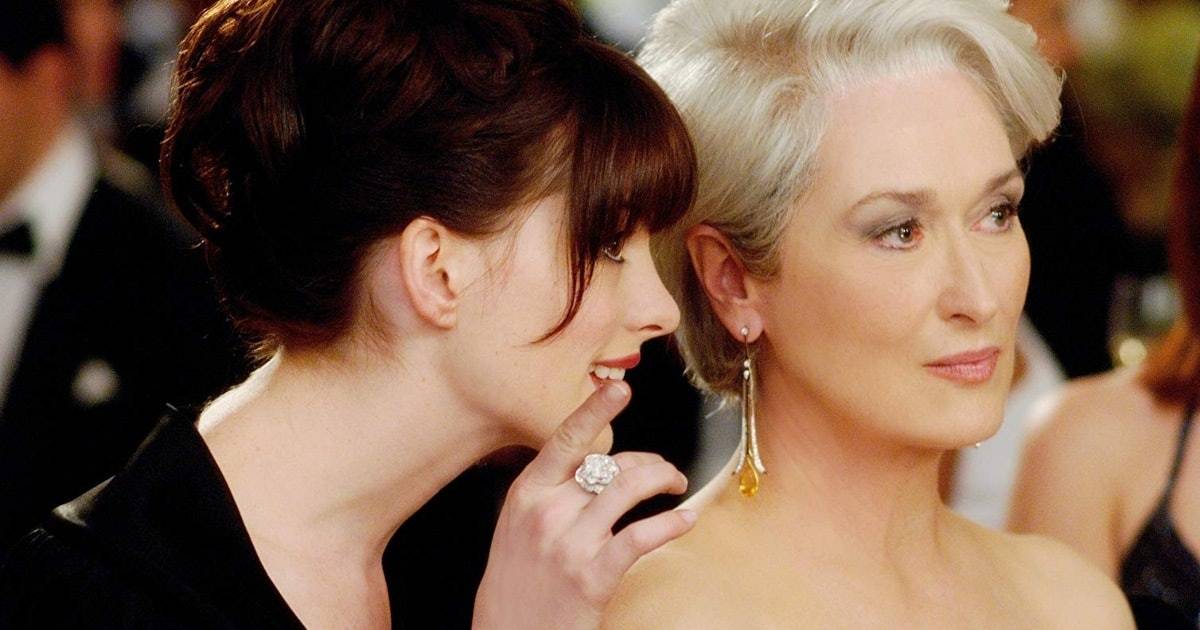
More than just a movie, The Devil Wears Prada exploded onto screens in 2006 and instantly cemented its place as a cultural phenomenon. A witty, sharp, and unexpectedly profound look into the cutthroat world of high fashion, it captivated audiences with its stellar performances, unforgettable dialogue, and, perhaps most notably, its breathtaking Devil Wears Prada outfits. The film's influence extends far beyond the silver screen, shaping perceptions of the fashion industry and leaving an indelible mark on style itself. From the power suits of Miranda Priestly to Andy Sachs's stunning transformation, the devil wears prada fashion legacy is undeniable, offering both aspirational style and a revealing critique of societal pressures.
This article delves into the iconic fashion moments of The Devil Wears Prada, exploring how the film's style continues to inspire and how its narrative artfully exposes the complex, often challenging, realities beneath the glamorous surface. Join us as we unpack the sartorial brilliance and the deeper truths that make this film a timeless classic.
Beyond the Runway: The Enduring Style Legacy of The Devil Wears Prada
At its heart, The Devil Wears Prada is a masterclass in visual storytelling, with fashion serving as a central character. Spearheaded by legendary costume designer Patricia Field, the film's wardrobe budget was a staggering million dollars, and every penny is evident in the meticulously curated ensembles. Field didn't just dress characters; she crafted visual narratives that mirrored their emotional arcs and societal standing.
Miranda Priestly, the formidable editor-in-chief of Runway magazine, epitomizes power dressing. Her wardrobe, a symphony of high-end designers like Prada, Valentino, and Chanel, screams authority and understated elegance. From her perfectly tailored coats to her signature scarfs, Miranda's style is a lesson in commanding presence without uttering a single word. It taught us that fashion can be armor, a tool for asserting dominance in a male-dominated industry. Her aesthetic remains a benchmark for professional chic, inspiring countless women to embrace sophisticated, well-constructed pieces.
Andy Sachs's transformation is arguably the most compelling fashion journey in cinematic history. Initially dismissing fashion as superficial, Andy's style evolves from frumpy collegiate attire to polished, high-fashion looks. This metamorphosis is not merely about changing clothes; it represents her immersion into a new world, her growing understanding of its unspoken rules, and her struggle with personal identity. The film masterfully demonstrates fashion's transformative power, showing how external changes can reflect internal shifts. Her progression from a naive outsider to a confident insider, marked by stunning outfits, resonates with anyone who has ever navigated a new professional environment.
Even secondary characters like Emily Charlton, Miranda's first assistant, contribute significantly to the film's style legacy. Emily, though perpetually stressed, embodies the edgy, trend-conscious, and sometimes painfully aspirational side of fashion. Her outfits, often a bit more daring and avant-garde, showcase the commitment and sacrifices required to maintain a certain image within the industry. Together, these characters provide a rich tapestry of Devil Wears Prada outfits: Style Lessons for High Fashion, demonstrating how clothing can be a language of power, ambition, and identity.
The Iconic Charity Event: A Microcosm of Fashion's Darker Side
One of the most memorable and revealing scenes in The Devil Wears Prada unfolds at a high-profile charity gala. It's a dazzling display of opulence, where the city's elite gather, dressed to impress as if walking a red carpet. But beneath the glittering surface, this scene exposes some of the harsh realities and pressures inherent in the fashion world, particularly for women.
The scene opens with Andy, now fully transformed into a chic, confident fashionista, making her entrance. Her stunning new look, a departure from her earlier, more unassuming self, immediately catches Emily's eye. "Oh my God... Andrea, you look so chic," Emily blurts out, a mix of genuine admiration and slight awe in her voice. Andy, still navigating the industry's unspoken rules, attempts to return the compliment, instinctively saying what she knows Emily yearns to hear: "You look so thin."
The reaction from Emily is visceral and telling. "Do I?!!" she exclaims, a jolt of ecstasy hitting her. This simple exchange reveals the deep-seated body image insecurities prevalent in the industry. As they walk, Emily proudly divulges the extreme diet she's on, specifically designed to prepare her for the upcoming Paris fashion event she hopes to attend with Miranda. "I'm on this new diet," she confides, "I don't eat anything. And then when I feel like I'm about to pass out, I eat a cube of cheese." Andy, visibly uncomfortable, can only offer another validating compliment.
The punchline, delivered with Emily's signature mix of desperation and dark humor, is unforgettable: "I'm just one stomach flu away from my goal weight." This line, more than any other, encapsulates the film's powerful critique of the social dogma surrounding women's appearance. It's a light-hearted jab that carries a heavy truth, highlighting the dangerous extremes to which individuals, especially women, are pushed to conform to unrealistic beauty standards. The scene masterfully satirizes the obsession with body image and the unwarranted fear of rejection that often dictates one's life in high-stakes environments.
Unveiling Fashion's Hidden Truths: Ambition, Identity, and Societal Pressure
Beyond its glossy exterior, The Devil Wears Prada functions as a profound social commentary, cleverly using the backdrop of high fashion to explore complex themes that resonate far beyond the industry itself. The film satirizes systematic misogyny and body image obsession with a chortle, making its critique both palatable and powerful. It’s a brilliant dig at beauty standards that, while making you smile, also makes you feel the pinch of honesty.
The narrative beautifully presents the tension between personal identity and societal pressure, especially for women chasing a career. Andy's journey is a prime example: she arrives at Runway with no interest in fashion, her identity firmly rooted in her journalistic aspirations. However, to succeed in Miranda's world, she must adapt, conforming to its aesthetic and sacrificing aspects of her personal life and values. This struggle between authenticity and assimilation is a universal theme, particularly for women who face unique expectations in professional settings.
The film also explores the dark reality of the fashion world, exposing the superficiality of success and the often-exorbitant cost of ambition. Miranda Priestly, though iconic, represents a system that demands relentless dedication, often at the expense of personal well-being and genuine human connection. Her power is absolute, but her isolated existence hints at the profound sacrifices made for professional obsession. The film prompts viewers to question the true value of such success when it comes at such a high personal price.
The ongoing pressure on women regarding their appearance, often internalized, is a central thread. Emily's "stomach flu" line isn't just a funny anecdote; it's a stark reminder of the social dogmatism that can dictate women's entire lives, from their professional opportunities to their self-worth. In a world where beauty standards are relentlessly broadcast and enforced, the fear of not measuring up can be paralyzing. The film encourages viewers to look beyond the glamour and consider the hidden truths, asking profound questions about what we value and why. For a deeper dive into these complex issues, explore Devil Wears Prada: Fashion's Hidden Truths & Body Image.
Practical Style Lessons from Runway to Realway
While The Devil Wears Prada critiques certain aspects of the fashion industry, it undeniably offers a masterclass in style. The film's enduring appeal lies in its ability to inspire audiences to elevate their own wardrobes. Here are practical style lessons you can learn from the film's iconic devil wears prada fashion:
- Invest in Timeless Classics: Miranda Priestly's wardrobe is built on impeccably tailored coats, classic suits, and sophisticated dresses. These are not trendy pieces but rather foundational items that exude elegance and professionalism year after year. Focus on quality over quantity for items like a well-cut blazer, a versatile trench coat, or a perfect pair of trousers.
- Embrace the Power of Accessories: From Miranda's statement necklaces and scarves to Andy's evolving handbag collection, accessories are key. They can transform a simple outfit into something extraordinary. Think bold jewelry, stylish belts, luxurious scarves, and, of course, a killer pair of heels. Accessories allow you to express personality and stay current without overhauling your entire closet.
- Tailoring is Non-Negotiable: Even the most expensive clothes look cheap if they don't fit well. Notice how every piece Miranda and Andy wear after her transformation fits them perfectly. Tailoring ensures your clothes flatter your silhouette, making you look polished and put-together. It’s a small investment that makes a huge difference.
- A Signature Look Commands Respect: Miranda's preference for dark, rich tones, structured silhouettes, and minimal fuss creates a strong, consistent personal brand. While you don't need to emulate her exact style, developing your own signature aesthetic can project confidence and consistency. Understand what colors, cuts, and styles work best for you and build your wardrobe around them.
- Confidence is Your Best Accessory: Ultimately, the most impactful style lesson is that confidence is paramount. Andy's transformation isn't just about the clothes; it's about the self-assurance she gains. No matter what you wear, if you carry yourself with poise and belief, you will always look chic and powerful.
- Experiment and Evolve: Andy's journey teaches us that fashion can be a tool for self-discovery. Don't be afraid to step out of your comfort zone and try new styles. Your personal style is not static; it evolves as you grow and experience new things.
Key Takeaways for a High-End Look:
To dress like a high-end fashion magazine editor, as suggested by the film, focus on quality fabrics, impeccable fit, strategic accessorizing, and an air of quiet confidence. It's less about chasing every trend and more about cultivating a sophisticated, authoritative presence through your clothing choices.
Conclusion
The Devil Wears Prada continues to reign as a cinematic and sartorial touchstone, more than a decade and a half after its release. Its unique blend of sharp humor, compelling narrative, and unforgettable devil wears prada fashion moments has solidified its place in popular culture. The film not only gifted us with endlessly quotable lines and an iconic cast but also left an enduring legacy of style inspiration, demonstrating the transformative power of clothes and accessories.
Yet, its brilliance extends beyond the surface. By cleverly weaving a critique of body image obsession, the cost of ambition, and the relentless pressure on women into its glamorous setting, The Devil Wears Prada offers a poignant reflection on the darker, often unseen, realities of the fashion world and indeed, broader society. It encourages us to look beyond the labels and runway shows, prompting important conversations about identity, self-worth, and the pursuit of success. As both a fashion spectacle and a thoughtful social commentary, its relevance, much like Miranda Priestly's influence, shows no signs of waning.