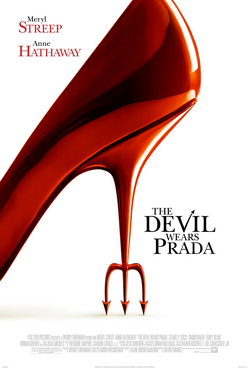
Devil Wears Prada: Beyond the Seams of High Fashion and Body Image
More than just a dazzling display of designer labels and cutting wit, The Devil Wears Prada has cemented its place in cinematic history as a cultural touchstone. While many remember the sharp dialogue, the iconic Meryl Streep as Miranda Priestly, and Anne Hathaway's stunning transformation, the film's true power lies in its nuanced exploration of the fashion world's hidden truths. It delves deep into themes of ambition, power, and the often-unseen pressures that dictate lives within this glamorous, yet demanding, industry. The film's portrayal of devil wears prada fashion isn't just about clothes; it's about the entire ecosystem of expectations, particularly those surrounding body image.
David Frankel's 2006 masterpiece expertly satirizes the systematic misogyny and body image obsession prevalent in high fashion, delivering its critique with a lighthearted, yet poignant, touch. It makes you chuckle, but also makes you reflect on the uncomfortable realities it exposes. Perhaps no single line encapsulates this uncomfortable truth better than Emily Charlton's infamous confession: "I'm just one stomach flu away from my goal weight."
Emily's Revelation: A Glimpse into the Industry's Demands
Emily Charlton, Miranda Priestly's fiercely dedicated first assistant, embodies the aspiration and sacrifice demanded by the fashion elite. Beyond managing Miranda's incredibly complex daily life, she carries the immense burden of societal expectations regarding her appearance. It's easy to dismiss her body image insecurities, but can anyone truly say her fear of rejection in such a cutthroat environment is unwarranted?
The "Stomach Flu" Confession and Its Chilling Context
The scene unfolds at a high-profile charity event, a veritable red-carpet spectacle. Andy Sachs (Anne Hathaway), initially an outsider, walks in completely transformed – a supermodel ready for the Prada ramp. Emily (Emily Blunt), momentarily stunned, blurts out, "Oh my God...Andrea, you look so chic." Andy, unsure how to reciprocate, offers a compliment Emily is desperate to hear: "You look so thin." Emily's ecstatic "Do I?!!" is both humorous and heartbreaking.
As they walk, Emily reveals her extreme diet in preparation for Paris Fashion Week, where she's meant to accompany Miranda. Her regimen? Starve herself to the point of collapse, then "reward" herself with a single cube of cheese. Andy's uncomfortable validation of her efforts culminates in Emily's chillingly casual statement: "I'm just one stomach flu away from my goal weight." This isn't just a throwaway line; it's a profound commentary on the social dogmatism around women's appearance that dictates their entire lives in this world.
The High Cost of "Perfect" in the Fashion World
Emily's diet is not merely an exaggeration for comedic effect; it reflects the real, often dangerous, lengths individuals go to in pursuit of an unattainable ideal. The pressure to conform to an ultra-thin standard within certain echelons of the fashion industry can lead to serious health issues, both physical and psychological. The film subtly highlights how professional success, particularly for women, can become inextricably linked to physical appearance, creating a cycle of anxiety, self-deprivation, and a warped sense of self-worth. It forces us to confront the question: what is the true cost of 'perfection'?
This relentless pursuit of a specific body type isn't just limited to models or those directly in the spotlight; it trickles down, influencing how assistants, editors, and even consumers perceive themselves. The film masterfully satirizes this by making Emily's struggle so relatable, despite the extravagant setting. Her fear of not being thin enough for Paris, of disappointing Miranda, and ultimately, of failing in her career, is palpable.
Fashion, Identity, and Societal Dogmatism
The Devil Wears Prada is iconic for many reasons, often listed among the best fashion flicks of all time. However, its true genius lies in how it dissects the tension between personal identity and societal pressure. Andy's journey from a naive journalist with no interest in fashion to a polished, industry insider illustrates this beautifully. Her initial disdain for the superficiality gradually gives way to a reluctant acceptance, and ultimately, a powerful realization about the dark reality beneath the glamour.
The Trap of External Validation and Identity Erosion
The narrative effectively showcases how deeply external validation can shape one's identity. For Emily, her entire sense of self, her career trajectory, and her perceived value are tied to her ability to meet the impossible beauty standards of the fashion world. Her goal weight isn't just a number; it's a key to acceptance, success, and perhaps, even self-respect within her chosen profession.
The film argues that this intense focus on appearance is a symptom of a larger issue: a society that often prioritizes external presentation over internal substance, especially for women. The subtle yet constant pressure to look a certain way, to wear the right clothes, and to maintain a specific physique can erode personal identity, making individuals feel like they are constantly performing for an audience rather than living authentically. The world of devil wears prada fashion isn't just about designers; it's about the pervasive influence of an aesthetic that can overshadow individual well-being.
Beyond the Screen: Practical Lessons for Today's World
While The Devil Wears Prada is a work of fiction, its themes resonate strongly in our contemporary world. The film serves as a powerful reminder to critically evaluate the messages we receive about beauty, success, and personal value.
Cultivating a Healthy Body Image in a Filtered World
In an age of social media and constant digital presentation, the pressures Emily faced are amplified. Here are some practical steps to cultivate a healthier body image:
- Challenge Beauty Standards: Recognize that "perfection" is often a carefully constructed illusion. Unfollow accounts that make you feel inadequate and seek out diverse, body-positive content.
- Focus on Health, Not Just Weight: Shift your focus from arbitrary "goal weights" to holistic well-being. Prioritize nourishing your body, engaging in enjoyable physical activity, and nurturing your mental health.
- Practice Self-Compassion: Be kind to yourself. Understand that your worth is not tied to your appearance or size. Treat yourself with the same empathy you would offer a friend.
- Media Literacy: Be aware of how media, including fashion magazines and social platforms, can manipulate images and create unrealistic expectations.
Navigating the World of Fashion Mindfully
The Devil Wears Prada also offers invaluable style lessons, demonstrating the power of personal presentation. However, we can appreciate the artistry and glamour of fashion without falling prey to its more toxic elements:
- Define Your Own Style: Use fashion as a tool for self-expression, not conformity. Be inspired by trends and iconic looks – like those highlighted in Iconic Fashion Moments: The Devil Wears Prada Style Legacy – but adapt them to suit your unique personality and comfort.
- Prioritize Comfort and Confidence: Clothes should make you feel good, both physically and emotionally. When you feel confident, it shines through, regardless of the label.
- Support Inclusive Brands: Seek out designers and retailers who celebrate body diversity and promote sustainable, ethical practices. Your choices can influence the industry.
- Remember Your Value: Never forget that your intelligence, kindness, skills, and character are far more enduring and valuable than any fleeting aesthetic trend.
Conclusion
The Devil Wears Prada remains a captivating and deeply insightful film, peeling back the veneer of high fashion to expose its underbelly of intense pressures, particularly concerning body image. Through characters like Emily Charlton and Andy Sachs, it brilliantly satirizes the superficiality and sometimes dangerous demands of an industry obsessed with appearance. The film serves as a timeless reminder that while devil wears prada fashion can be aspirational and beautiful, its true power should lie in self-expression and confidence, not in enforcing impossible standards. As we continue to navigate a world increasingly influenced by visual culture, the lessons embedded in this iconic movie are more relevant than ever: true style and success come from within, not from being "one stomach flu away" from an elusive goal.